Revitalizing your wooden floor surfaces without the mess of heavy sanding in Murray
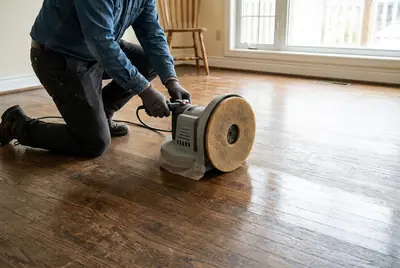
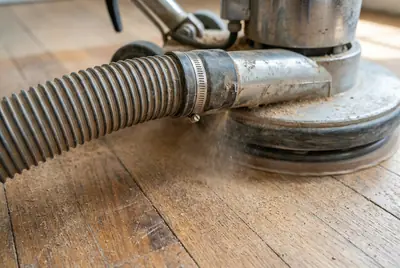
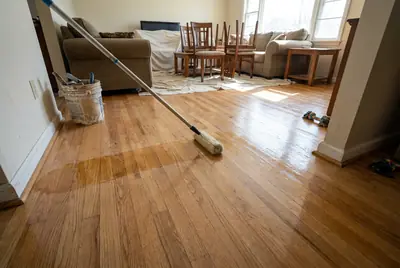
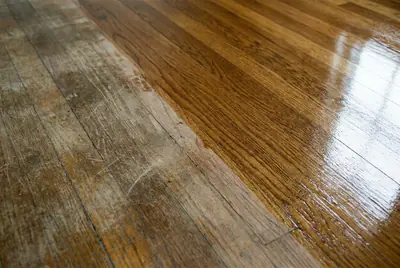
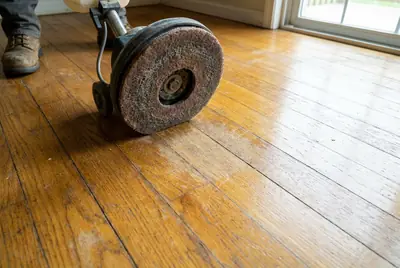
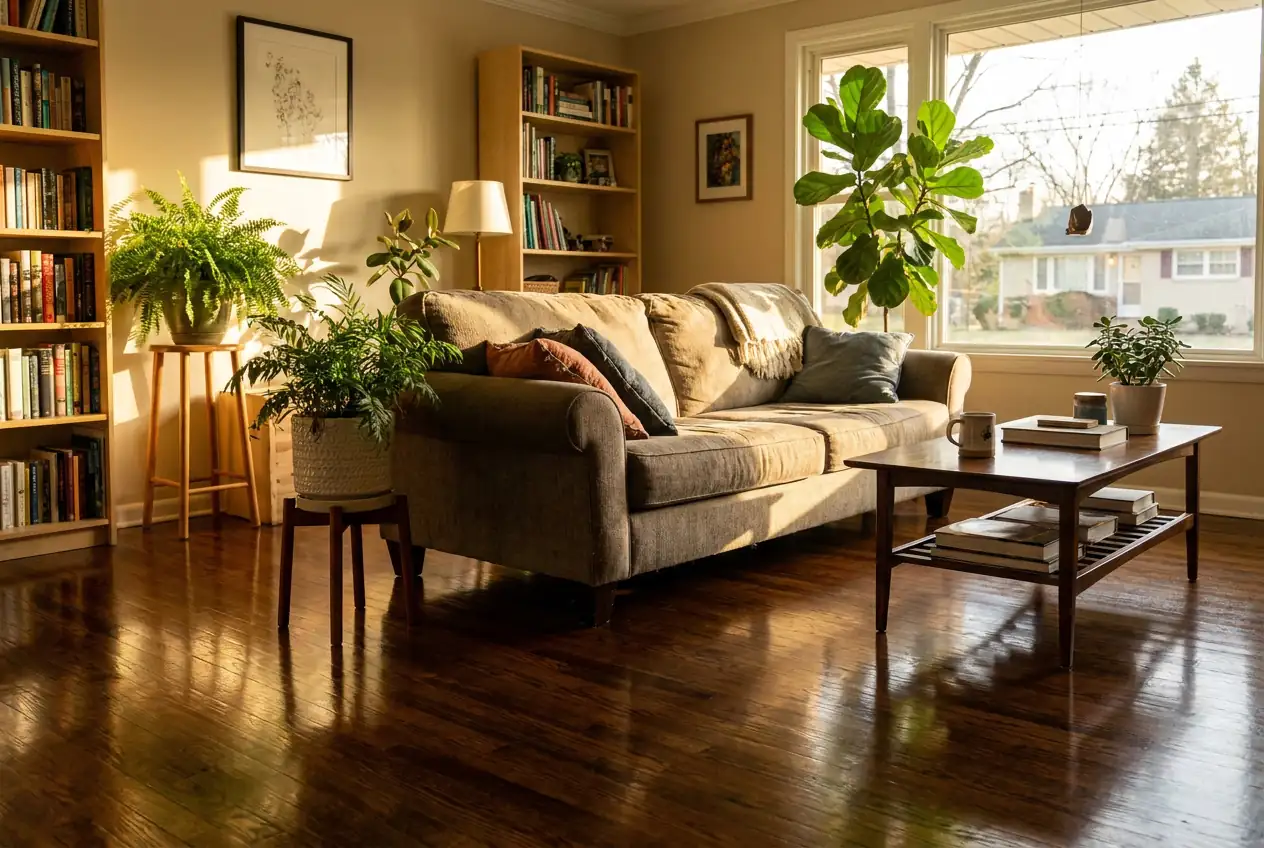
Refreshing your worn interior floorboards through a dustless abrasion technique removes surface scratches and dullness while keeping your home air quality clean. This process prepares the wood to receive a fresh protective topcoat that restores the natural glow of your living spaces. You benefit from a faster turnaround time that avoids the traditional chaos of sawdust clouds filling your rooms.
Understanding the non-sanding surface restoration process
Choosing this specialized method means a technician gently scuffs the existing finish instead of removing deep layers of wood. This preservation step maintains the structural integrity of your planks while smoothing out minor imperfections or wear patterns. Consequently, your floors look brand new without the thinning that happens during aggressive traditional sanding cycles.
Furthermore, the technique works best when the original floor is structurally sound but lacks its former luster or sheen. Because no massive machinery grinds away your hardwood, you save hours on post-project cleanup and avoid the nuisance of dust settling in your ventilation ducts. That efficiency makes it a top choice for busy families throughout the Salt Lake County region.
Advantages of choosing a dustless floor renewal
Modern homeowners appreciate that this approach minimizes disruption to their daily routines and household life. You get to keep your furniture inside the room in many cases because the process produces negligible debris. This ease of service means you regain access to your living areas much sooner than with conventional methods.
Additionally, the use of high-quality chemical agents to bond the new finish to the old one creates a durable shield against future scuffs. Such advanced bonding agents provide a level of satisfaction by ensuring the renewed surface resists heavy foot traffic better than ever before. You protect your investment while enhancing the overall ease of maintenance for your primary flooring.
Comparing traditional sanding with the modern approach
Traditional wood renovation involves heavy machines that strip the finish down to the raw material, which creates piles of waste. By contrast, the sandless method focuses on the top layer, which saves you the stress of finding a place to stay while the work happens. It is a smart financial move if your planks are not deeply damaged or warped.
| Feature | Traditional Sanding | Sandless Refinishing | |
|---|
| Dust production | High | Minimal | |
| Wood thickness loss | Significant | None | |
| Project duration | Days | Hours | |
| Disruption level | High | Low | |
Moreover, the cost savings of avoiding a full deep-strip process allow you to allocate your budget toward other needed household upgrades. You get a refreshed look that brings a sense of relaxation to your environment without the heavy price tag of full refinishing. This balance of quality and convenience makes it a practical solution for the unique climate around here.
Deciding on the best path for your home
Consulting with a qualified local professional helps you determine if your floor condition allows for this specific type of restoration. A pro will examine the depth of the scratches and the quality of the remaining finish to confirm if you are a good candidate. Doing so ensures you receive a result that meets your expectations for a beautiful, long-lasting surface.
Always request a written estimate to understand the full scope of the project and ensure there are no hidden costs. A reliable contractor will offer a clear outline of the steps they intend to follow and explain how they protect your property during the job. Taking this step puts you in control of your renovation journey.
Simply describe your flooring project to local experts in the area to receive a free quote and get started today.